These portfolio tips for African tech professionals come down to one thing: communication. You can build excellent products but still lose out if your portfolio does not tell the story clearly to a global recruiter.
These tips are for tech professionals presenting their work to global recruiters and international companies — especially those applying from outside the traditional hiring hubs. If you have a CV but no portfolio yet, a CV to portfolio website is the fastest way to start.
Frame Every Project With Numbers
The biggest difference between an average portfolio and a standout one is specificity. Vague descriptions get ignored. Numbers get attention.
Compare these two descriptions of the same project. "Built a data dashboard for a bank." versus "Built a customer analytics dashboard that reduced manual reporting time from 4 hours to 15 minutes for a team of 20 analysts." The second one gets a response.
Numbers make your outcomes real. They turn "I built a thing" into "I solved a problem with measurable results."
You do not need huge numbers. Even small ones work. "Used by 40 students." "Processed 500 transactions daily." "Reduced load time by 60%." These are real and believable. That is exactly what makes them effective.
Signal That You Are Open to Remote Work
Remote recruiters filter by remote-readiness before they filter by skill. Your portfolio should make it obvious within the first few seconds that you are available for remote work and have experience working asynchronously.
Put your location in your profile. "Nairobi, Kenya. Open to remote roles." or "Bangalore, India. Available for remote work." This builds trust. It tells the recruiter you are not hiding where you are, and it signals that you have thought about the practical realities of remote work.
- ✓State your location clearly in your hero section
- ✓Add "Open to remote work" or "Available for remote roles" explicitly
- ✓If you have worked remotely before, mention it in your about section
- ✓Include your GitHub and LinkedIn so recruiters can verify your activity
- ✓Mention communication tools you use: Slack, Notion, GitHub, Figma
What to Leave Off Your Portfolio
Less is more. A focused portfolio is stronger than a complete one.
- ✓Student assignments that nobody would use in real life
- ✓Tutorials you followed without adding your own twist
- ✓Outdated projects built with technologies you no longer use
- ✓Certificates and courses (these belong on LinkedIn, not your portfolio)
- ✓Generic bio language: "passionate," "hard-working," "team player"
- ✓Half-finished projects with no outcome or live link
Two projects you are proud of will always beat eight projects you are not. Your portfolio is not a complete list of everything you have done.
Mobile-First, Because Recruiters Check on Phones
A significant portion of portfolio visits happen on mobile devices. Recruiters are busy. They check links on their phones while commuting, between meetings, and in the evening.
If your portfolio does not look good on a phone screen, you lose those impressions entirely. Text that is too small, images that overflow the screen, or buttons that do not work on touch are all reasons to close the tab.
Writing for a Global Recruiter Who Does Not Know Your Context
When you describe a project to someone in your city, you can assume shared context. A recruiter in Germany or Canada may not know the local systems, market conditions, or infrastructure constraints your project was built around.
Explain your projects for someone with no local context. Describe the problem in plain, universal language. Then explain what you built and what it achieved.
This is not dumbing down. It is good writing. Clarity is a professional skill.
Build a portfolio that travels
Your work deserves to be seen. Create your portfolio in 5 minutes and start sending it.
Create my portfolio →Free to build and preview. Pay only to publish.
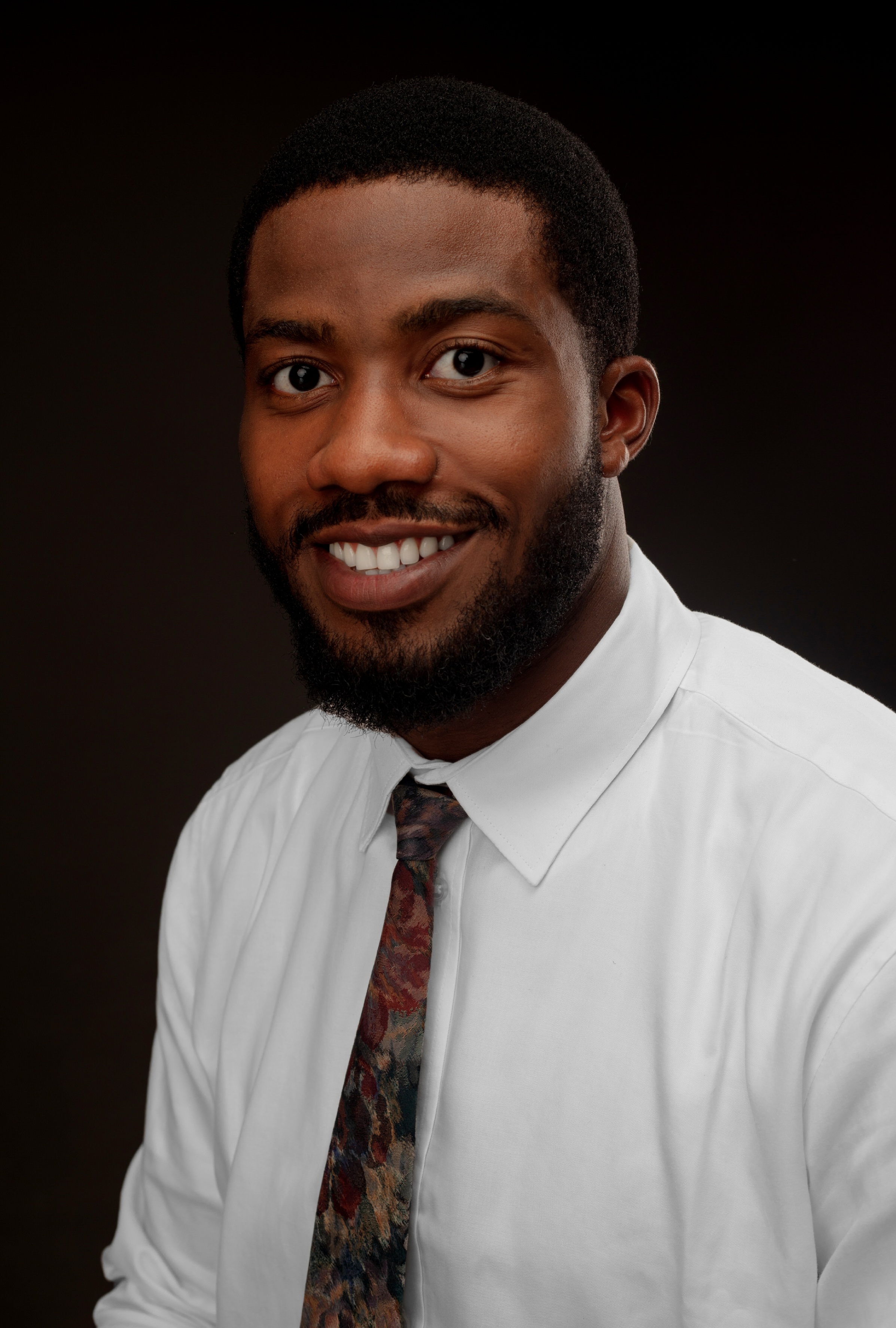
Clifford Nwanna
Data Scientist and AI Engineer at Wema Bank. Builder of LivePortfolio, JARVIS, and the Gateman IoT attendance system. Electronics & Computer Engineering graduate, based in Lagos, Nigeria.